
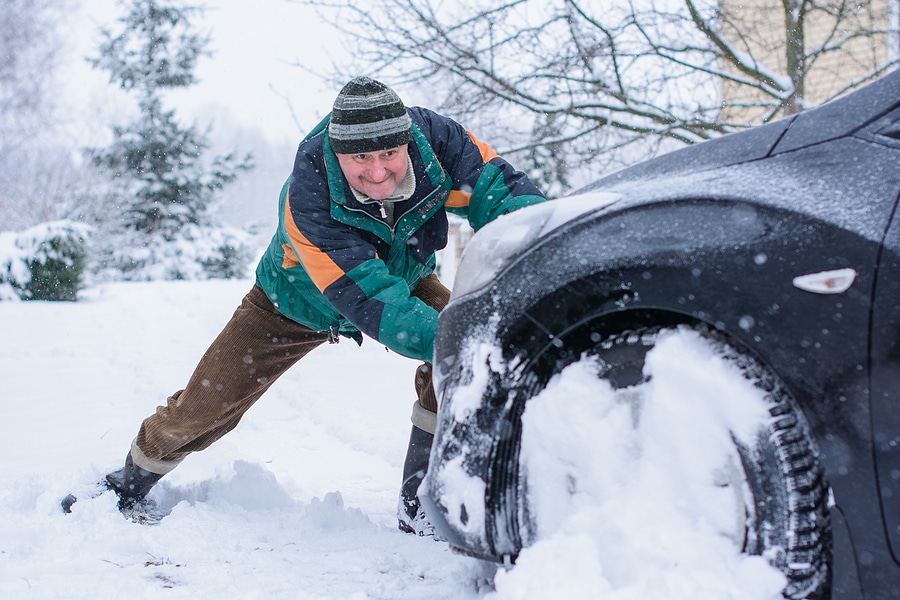
I recently laid out my business plan to my former boss (and current advisor!). I told her I had started a community development consulting firm focused on vacant land transformation but I faced one considerable challenge: how to make it financially viable. She provided some simple but profound advice: “I think you should go where you gain traction”, she said.
Unfortunately, I am a stubborn American with an individualistic streak. See my October post… We’re talking core American values here! Country music singer Shotgun Shane (never heard of him) gets it—as he makes clear with his album title. They said, “Shane you can’t go with the red, nobody can read that font.” But you see, he’s stubborn.

Like Shane, I stubbornly doubled down on my obscure niche focus: vacant land transformation. Never mind that there’s clearly more money in housing, forestry, stormwater management, agriculture… You get the point.
Fortunately, I’ve actually managed to gain some traction by partnering on a few related projects. Now, is it financially sustainable? Let’s see what the grant givers say. I may still find myself “working for the man” one of these days.
One place I haven’t gained much traction is this blog itself. I plan to keep writing though. Did I mention I’m a stubborn American? So, if you enjoy my thoughts, please like a post, comment and subscribe–it’s free. Even if you disagree with me, let me know what you think.
You see, starting up a business is like starting up a community-managed open space. It’s really all about traction. Without support and encouragement–and obviously funding–things tend to fizzle out.
My former employer, Baltimore Green Space, has an excellent business model. For a bit of background, they’re an urban environmental land trust. In layman’s terms, they acquire—through purchase or donation—community-managed open spaces to ensure the spaces remain under community control.
For BGS to protect a site, it must first meet five criteria. One of these criteria is that a site must be managed by a community for at least five years. Wow! Five years! Why five? Because data shows that sites often lose traction within 3-4 years1.
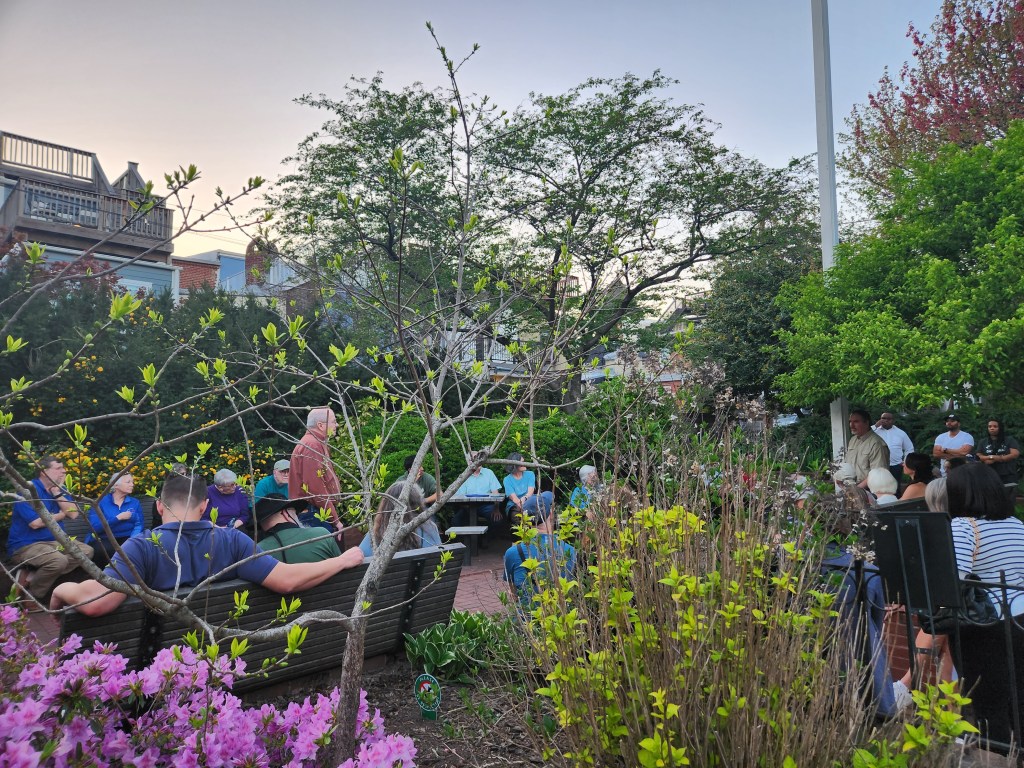
Just like starting a business—like Postindustrial Futures—is all about traction, so is transforming vacant land into a thriving community-managed open space. The problem? We all face obstacles.
In my recently defended Master’s Thesis (which will hopefully lead to some publications!), I identified eight major obstacles that community-managed open spaces face as they attempt to gain traction:
- Community issues
- Control of land
- Lack of electricity
- Lack of resources (funding, equipment, volunteers, etc.)
- Lack of water access
- Lack of political support
- Restrictive policies
- Soil contamination
Since this is a blog post, not my Master’s Thesis, let’s just talk about water access. If a site is growing food–or even just trees and plants–and doesn’t have water access, everything will wither away. Some sites can easily tap into a water supply. Baltimore City offers a flat rate fee of $120 per year for community gardens to tap into their water supply. And no you can’t start a garden in your backyard and pay that rate–believe me, I would’ve tried! But that’s great right?
The problem is, many sites don’t have working water access on their property. Take an urban farm in the Woodberry neighborhood, for example. They literally bring water in on a pickup truck. Sounds sustainable, right?
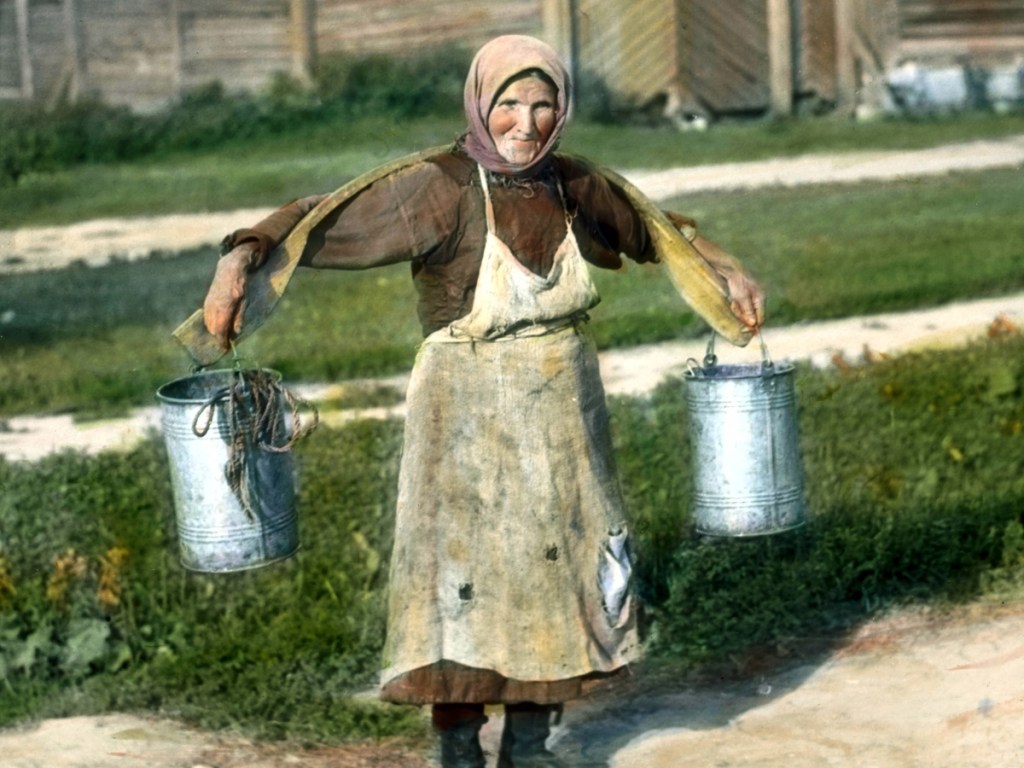
While I was at BGS, a site leader in the Govans community came to us and said, “Please help me get water or I’m going to throw in the towel.” Fortunately, one of BGS’ site leaders had created a guide for securing water access. Unfortunately, putting that guide into action proved much easier said than done.
With help, persistence, and over $10,000 spent, the site finally received water access. I can’t recall exactly how long it took, but it was at least a year. “Hey [insert Baltimore City official], did you get that signature yet? Oh it’s still on your boss’s desk after three months of weekly emails? Well, let us know!”
Frustrating, huh? It’s hard to gain traction when obstacles are everywhere. The keys? To keep it brief I’d say: (1) Persistence (2) Resources (3) Support.
Now, persistence? I’ve got that covered–did I mention I’m a stubborn American? As for resources, have I mentioned my privilege? We’ll break that down some other time… But resources go beyond that to questions like:
- Where do you get information?
- Who are the experts?
- How do you overcome obstacles?
My time at BGS–and NeighborSpace of Baltimore County–prepared me well. I learned from the best. And support? Well I have a lot of it. My wife, my parents, my community. I’ve got two great board members!
Now, let’s apply those same three keys to an underserved community trying to turn a single plot—or, let’s be honest, many plots—of vacant land into a community resource. Gaining traction there? That’s a much bigger challenge.
That’s why I do this work. If this resonates with you, consider supporting or sharing what I’m building with Postindustrial Futures. Together, we can help more communities gain the traction they need.
Image Credit
- Car stuck in snow image via Miles Towing Service.
- Dragging water buckets image via The Women with the Cracked Bucket article by April Dechagas (aprildechagas.com).
- Shotgun Shane Underrated album cover image via Amazon and Shotgun Shane (Amazon link).
Footnotes
- Baltimore Green Space. (n.d.). Preservation. Baltimore Green Space. https://baltimoregreenspace.org/preservation/ ↩︎

Leave a comment