

Stepping Into Paradise: The Gardens of Quinta de Regaleira
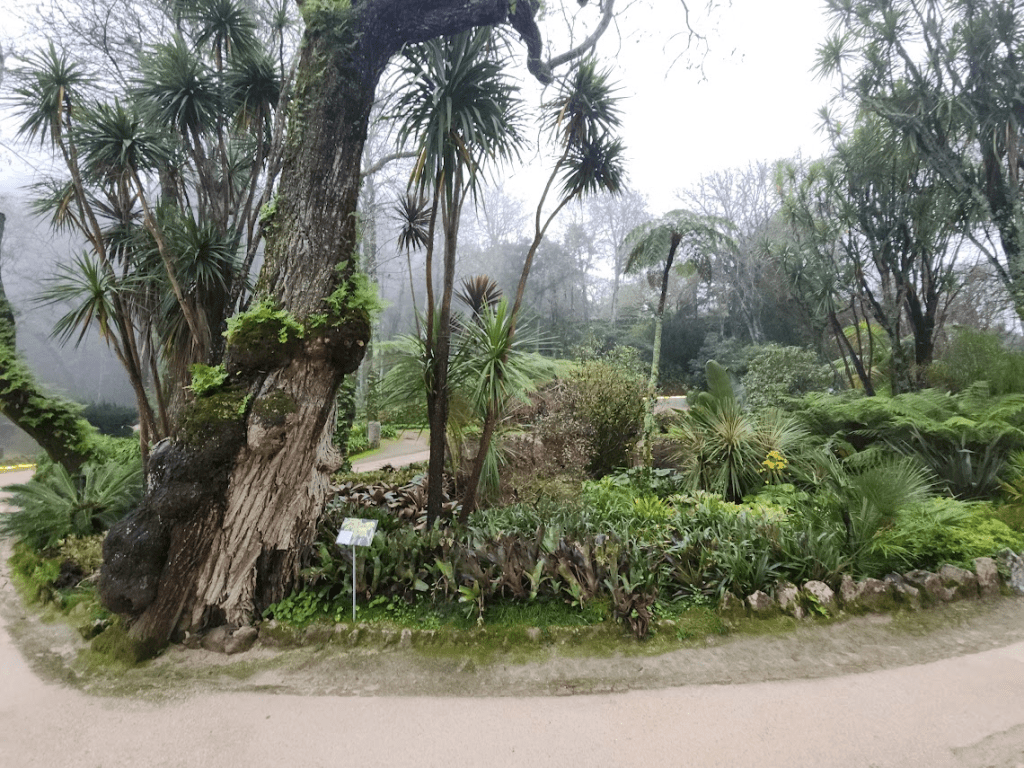
When I entered the expansive gardens of Quinta de Regaleira in Sintra Portugal, I quite literally stepped into paradise. See, Quinta de Regaleira embodies nearly every interpretation of the word. It is a place beyond beauty, blending echoes of our barbarian past with dreams of a better future. It transcends the ordinary and touches upon the ethereal.
The Meaning of Paradise: A Walled Garden
Alright, alright, I’m waxing poetic—what’s the point? Well, the truest reason Quinta de Regaleira feels like paradise ties back to the word’s original meaning: “walled garden”. Which comes from the Persian word pairidaezas. Huh? The more you know.
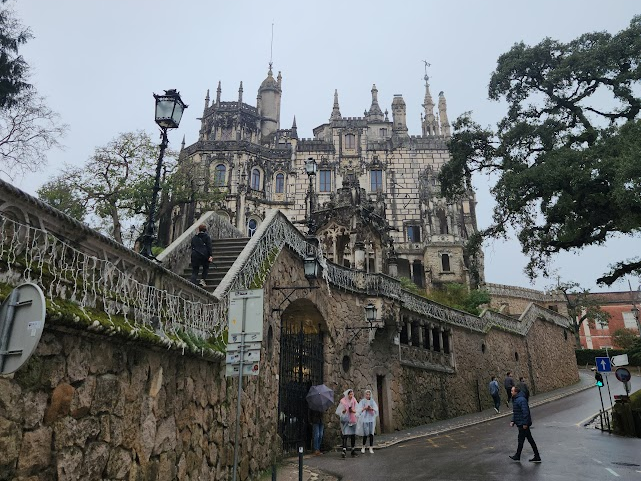
See I was all cheery to waltz in, only to realize there was a wall in my way and a €15 entrance fee. The injustice!
Walls of the Past: Barbarians at the Gate
But here’s the thing about paradise: not everyone is allowed in. And this is where it gets tricky. Historically, European tribes, kingdoms, and empires were constantly at war. Walls were built because there were, quite literally, barbarians at the gate. Take this 1647 map of Dorsten, Germany, from the Ruhr Museum in Essen, for example.

They got the walls. They got the friggin’ moat. Crocodiles? I can’t confirm. But rows of maps like this—walled German towns from the last millennium—showed there was a good reason.
See, 1647 marked the tail end of the Thirty Years’ War—a civil war within the Holy Roman Empire. No, not the real Roman Empire—this was the remix. Anyway, 150 years later, the Holy Roman Empire fell, Catholics fell out of style in Germany and your boy’s ancestors immigrated to South Baltimore. But that’s a story for another time…
The point is, for many millennia, wars were plentiful, walls were everywhere and paradise was reserved for a select few.
Modern Walls: From Geopolitics to Gardens
So how does this fit into our modern context? Well, believe it or not, despite major wars in Ukraine, Gaza, Myanmar, Sudan, and the Sahel, we still live in a time of historical peace. Yes, yes—I know what you’re thinking… “for now”.
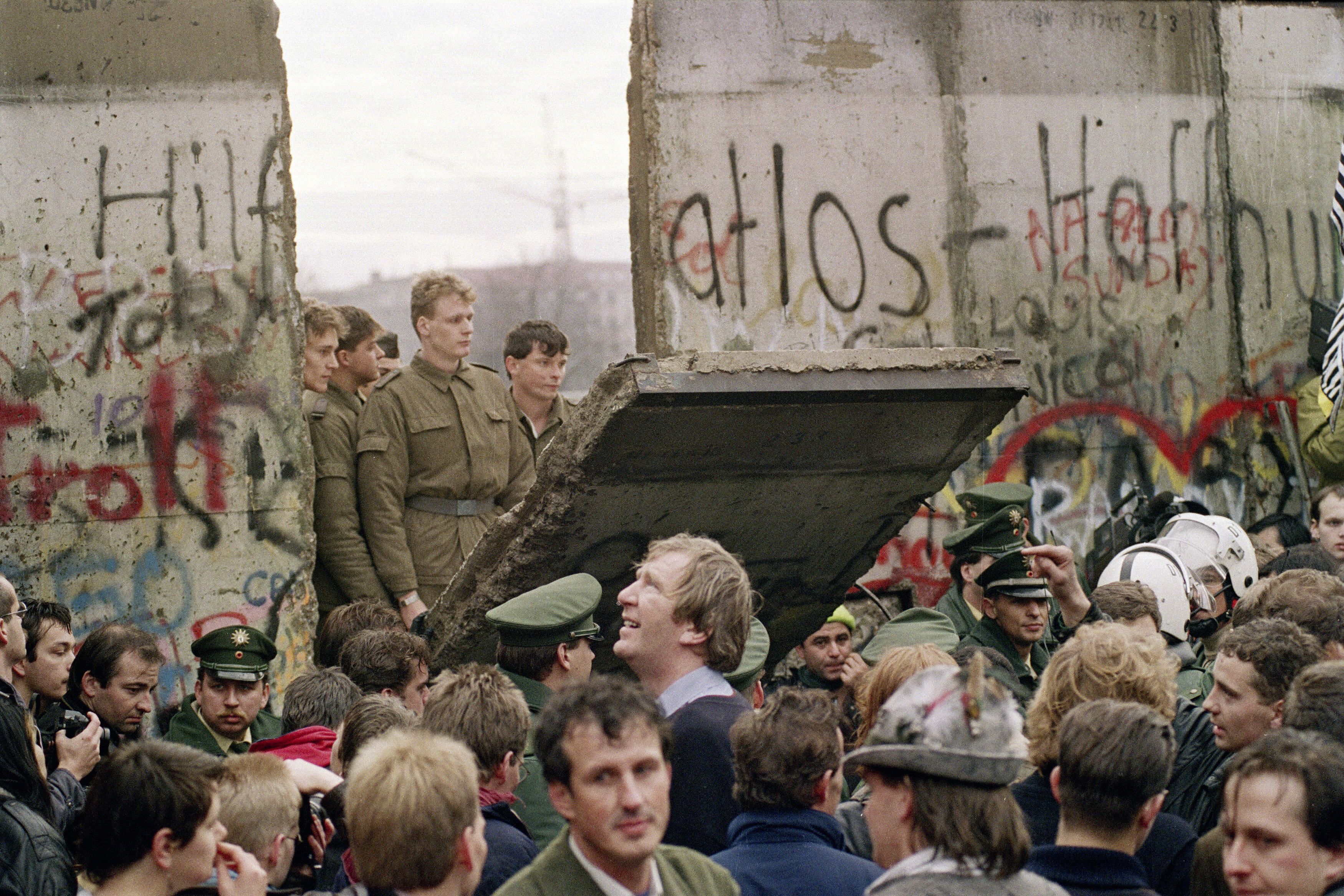
And yet, it seems like walls are all the talk these days. Remember when walls were going out of style? “Mr. Gorbachev, tear down this wall!” I believe that quote can be attributed to The Fonz from Happy Days—but hey, that was before my time.
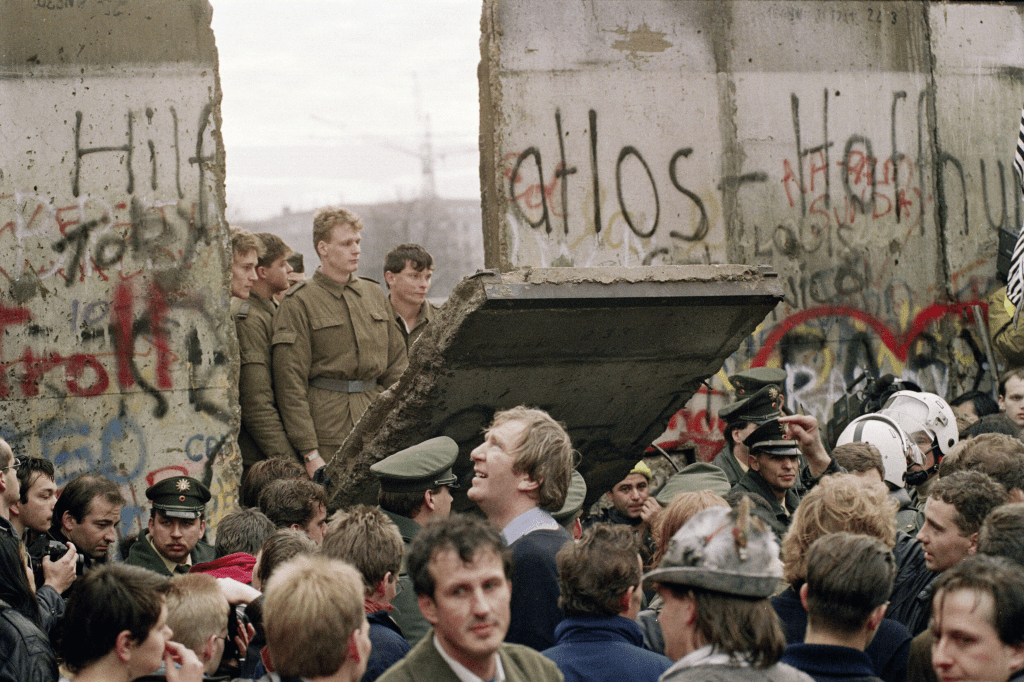
So, is America paradise? It’s a question worth pondering. While we Americans find plenty to critique, others seem to see something special here. After all, people wouldn’t keep striving to come if they didn’t, and policies like the wall on the southern border reflect this ongoing dynamic. From George H.W. Bush to Biden, every administration has contributed to this much-discussed structure.
Alright, cool, cool. Geopolitics. But how does this tie into the local level? Same concept. Just like we build walls to keep people out of the United States, people build walls—or fences—to keep others out of the garden. So, let’s talk about inclusivity: Who’s allowed into paradise, and who gets to decide?
A Tale from Lisbon: Gardens With Gates
So, let me regale you with a brief tale. I was working on a TikTok—sidebar: go check out my TikTok!—about Lisbon’s Urban Allotment Garden Programme. Basically, the city created a program to transform vacant land into vibrant green spaces. Sound familiar? I talk about this idea all the time, but how many city governments in the U.S. are actually doing it? And we have so much more vacant land!
Here’s where it gets interesting: the internet in Portugal is a bit wonky. Despite evidence of 20 gardens in the program, I could only find one online—a university garden. So, I convinced the crew to drive there so I could film. Spoiler alert: we get there, and it’s walled on all sides. Not only that, but there’s a gate, and you need a university ID. I mean, c’mon? Was this the intention of the program? I think not.
The Tension Between Openness and Security
While this might be an extreme example, many urban gardens in the U.S. have gates and locks—even so-called community gardens. I know one community leader who fenced and locked a garden to protect the native plants. And hey, I get it—native plants are people too.
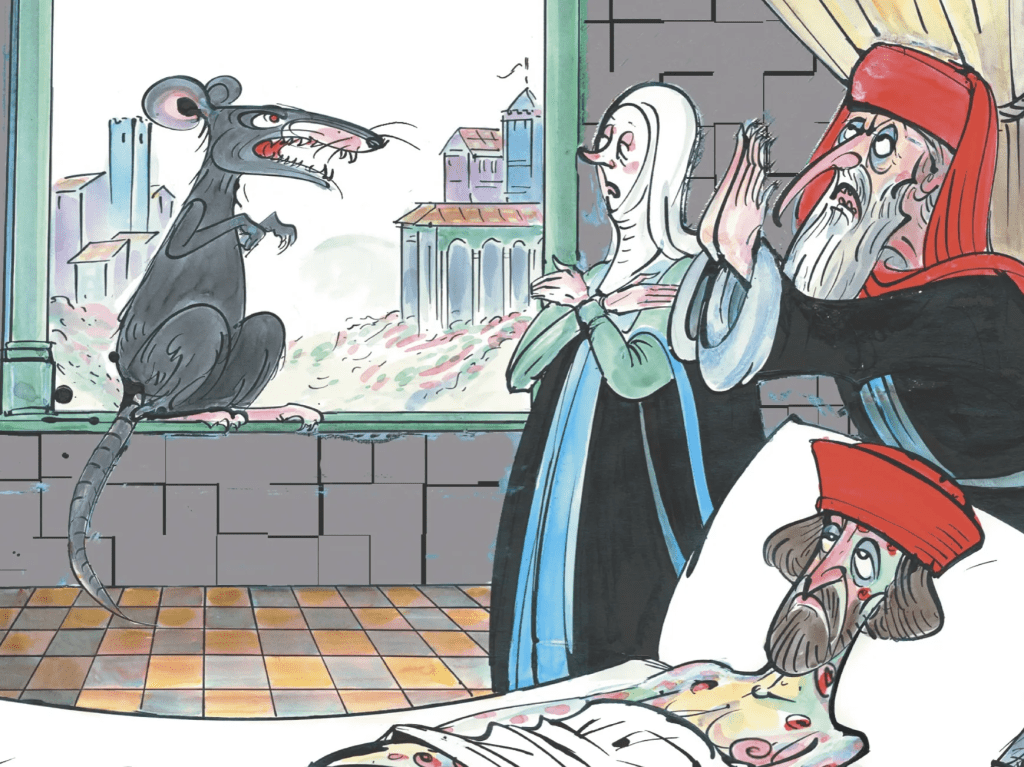
But let’s unpack that a little further: in some of the roughest areas—and even in less rough ones—urban gardens and farms with 24-hour access often become sites for drug activity and prostitution. This isn’t an invading army. We’re not living in Medieval Europe—aren’t you glad you’re not suffering from the plague while dreaming of that last scrap of boiled mutton? Still, it’s fair to say it sucks to have your space overrun by illicit activity.
Redefining Paradise: What Walls Reveal
The challenge, then, is finding balance. How do we create spaces that are truly inclusive while also protecting them from misuse? Urban gardens, community spaces, and even entire cities must grapple with this constant tension between openness and security. After all, a wall can define and protect—or divide and exclude—depending on who’s left outside it.
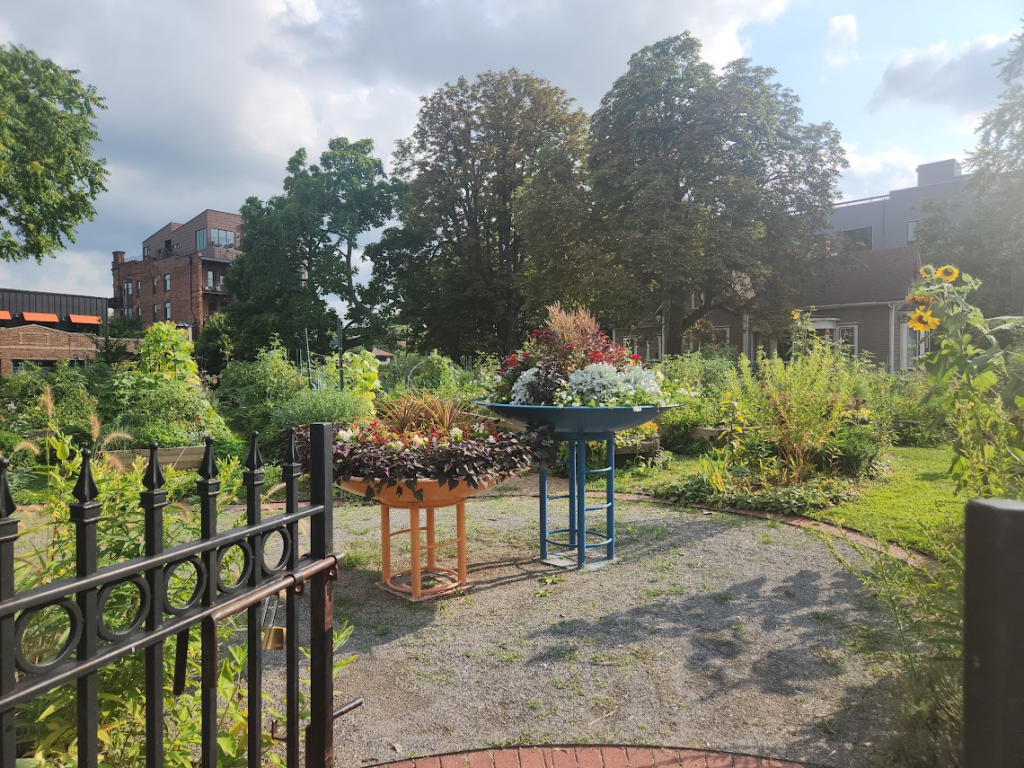
Perhaps the answer isn’t in the walls themselves but in the purpose they serve. If paradise is meant to be a haven for growth and connection, then the way we protect it should reflect those ideals. This means involving communities in designing and caring for these spaces, ensuring that gates are tools for managing access without shutting out those who have a rightful place.
So, the next time you encounter a wall—be it in a garden, a city, or even within yourself—ask: What is it protecting, and what is it shutting out? The answer might not change the wall itself, but it could change how you define paradise.

Leave a comment