
Grunting Our Way Through History
Life is about good storytelling. It harkens back to our days as primitive cave dwellers, grunting out origin stories under the eternal canopy of a starry night. Some mastered the art of grunting tales, captivating their peers as they thumped their chests and beat sticks by the fire’s edge.
100,000 years later, not much has changed. One caveman beat his chest louder and more convincingly than the others—and now he enjoys a nice seat in an ovular office.

A New Fire
Okay, so you don’t like Mr. Trump’s story? That’s fair. But if history has taught us anything, it’s that the loudest chest-thumper tends to command the fire’s edge. So maybe it’s time we evolved—stopped gathering around the same old fire—and started paying attention to the quiet, powerful work happening at the community level.
Across the American Rust Belt and beyond, incredible stories are unfolding—tales of rebirth, rejuvenation, transformation, and perseverance. These are the stories that matter—the ones with the power to shape a greater collective narrative.
As for this narrative, we weave a tale of nature, community, and the creative potential of the human spirit. So let’s start with the land.
So Much Land, So Little Plan
In the Rust Belt, eight major cities are facing a vacant land crisis. Baltimore, Buffalo, Chicago, Cleveland, Detroit, Philadelphia, Pittsburgh, and St. Louis each have more than 14,000 vacant lots—Detroit alone has nearly 100,000.

For 70 years, these cities have chased economic and population growth to solve their vacant land crises (and other associated issues). How has it worked?
For the past seven decades, the populations of Baltimore, Cleveland, Detroit, and St. Louis have shrunk in EVERY. SINGLE. CENSUS.
Greatest Comeback in American History?
But didn’t you hear about the Detroit Renaissance? After $5.6 billion spent by Dan Gilbert alone—plus billions more from other sources—Detroit gained 1,852 residents in 2023.
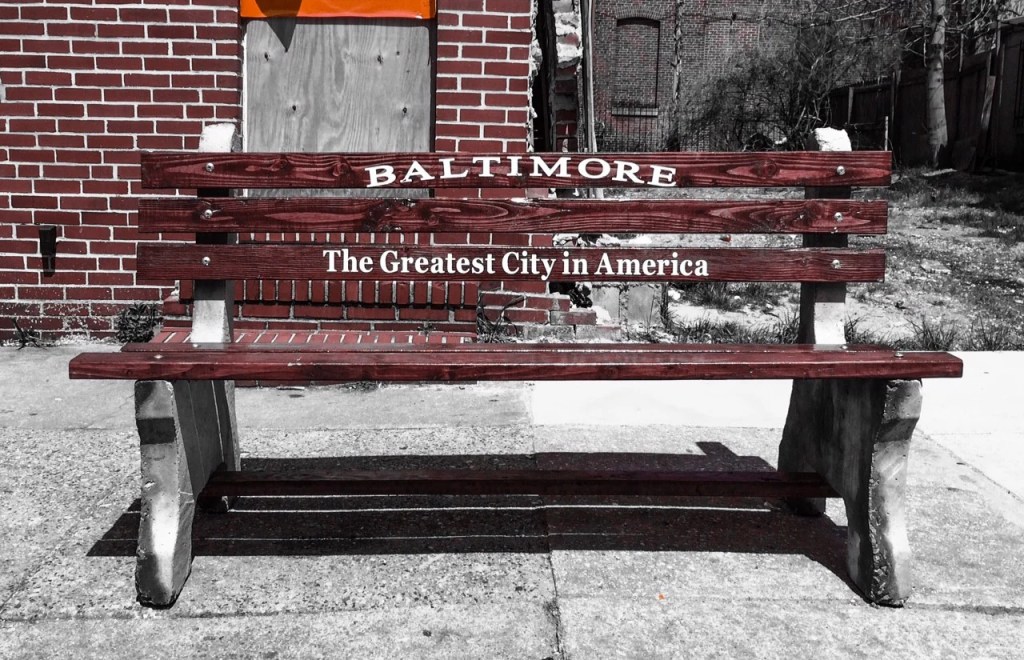
And now, Baltimore is back, adding 754 residents in 2024. Council President Cohen—a guy I like and respect—even declared, “We’re writing the greatest comeback story in American history.”
And no offense to Mr. Cohen, but as for the other 380,000+ residents we’ve lost since 1950… Well, didn’t I say life is about good storytelling?
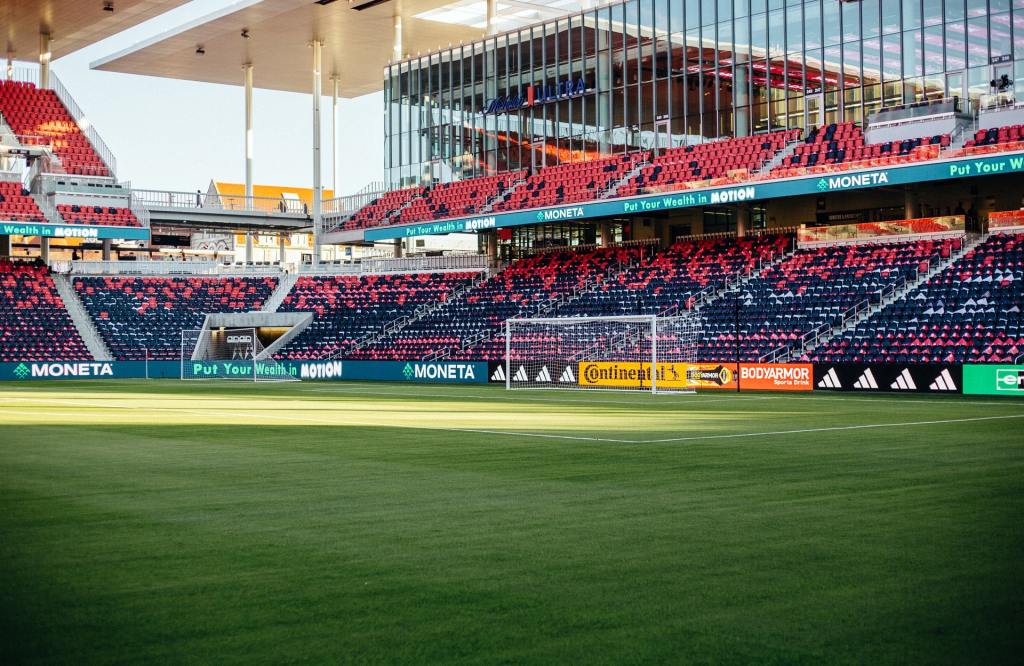
And, guys, unless my crystal ball is broken, St. Louis isn’t skyrocketing from 280,000 back to 857,000 anytime soon. Yeah, they’ve lost two-thirds of their population. And no amount of tax incentives, corporate investments, or flashy new stadiums—sorry St. Louis City FC—is changing that. So what if we stopped chasing an old story and started writing a new one?
Redefining the Rust Belt
What if these cities aren’t failures? What if we told a story of success that wasn’t tied to population or economic growth. Remember all that vacant land in Detroit? Well, there are 2,200 community farms and gardens in the city alone.
Communities in all eight of these cities have gone to extraordinary lengths to weave incredible tales of the human spirit—stories that would make our Caveman-in-Chief jealous.
Just for kicks, here are eight incredible organizations turning vacant land into something extraordinary. You don’t have to read them, click one, or click any. Just take a moment to enjoy the happy images!
- Baltimore – Plantation Park Heights
- Buffalo – Massachusetts Avenue Project
- Chicago – NeighborSpace
- Cleveland – Ohio City Farm
- Detroit – Keep Growing Detroit
- Philadelphia – Neighborhood Gardens Trust
- Pittsburgh – Garfield Community Farm
- St. Louis – Urban Harvest STL
A Story Worth Telling
Look, do we really need to exaggerate to tell a good story? Repurposing vacant land into community green space is a win-win. And don’t we need more of those? Vacant land harms communities. Green space strengthens them. And communities are leading the charge. Now, isn’t that a story worth telling?
Images
- Baltimore Bench: https://madeatdent.com/cdn/shop/articles/photo-1-6-e1397352465856.jpg?v=1593502241
- Trump Cartoon: https://www.theglobeandmail.com/opinion/editorial-cartoons-for-october-2016/article32068669/
- Detroit from the air: https://www.nytimes.com/interactive/2014/12/07/opinion/sunday/exposures-detroit-by-air-alex-maclean.html
- St. Louis City FC Stadium: https://www.soccerbible.com/design/residence/residence-67-citypark-st-louis-city-sc/#banner-gallery-5


Leave a comment